
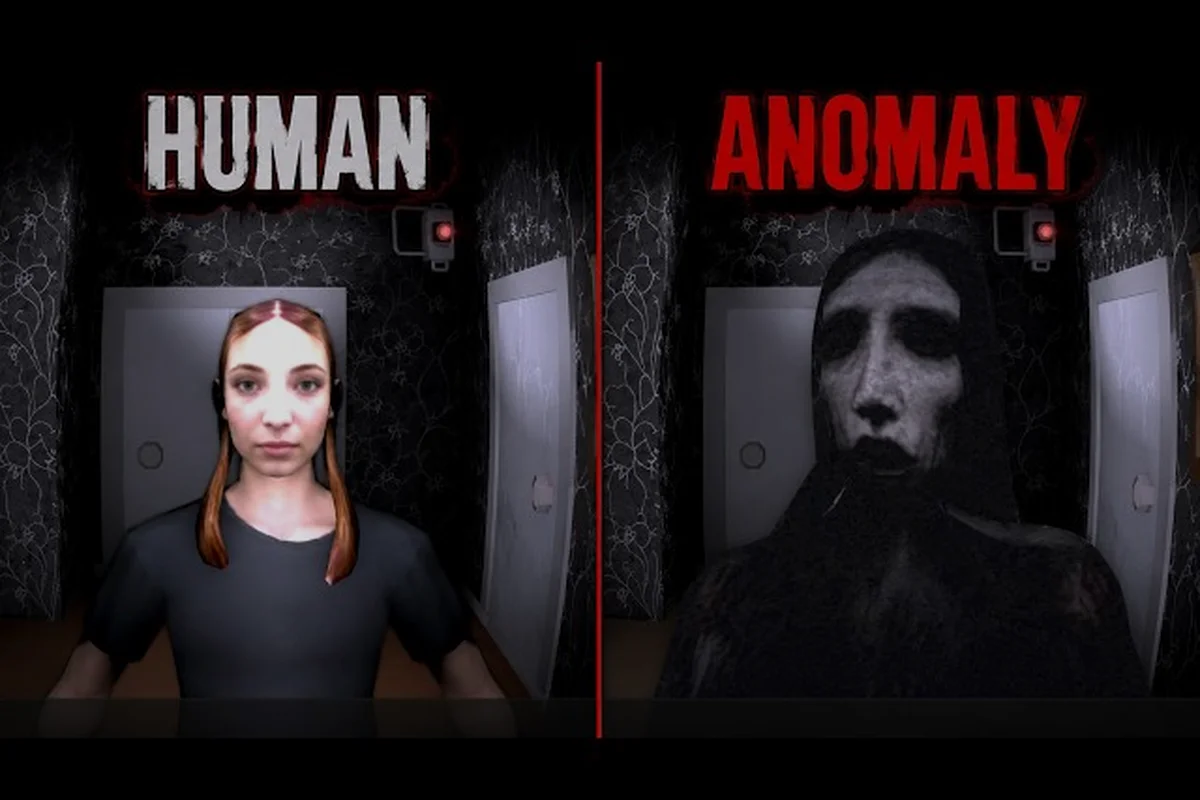
The keep the door locked visitors list is the difference between surviving your shift and becoming another missing-person report. Since the game launched on May 28, 2026, over 4.3 million players have faced the same midnight dilemma: someone knocks, the camera feeds flicker, and you have seconds to decide who gets inside. Get this wrong and the anomaly wins. Get it right and you might just see sunrise.
Every knock follows a pattern, and the community has spent thousands of hours documenting the keep the door locked visitors roster. The problem is that visitors rarely appear as they claim. That police officer might have the wrong number of fingers. That neighbor asking for sugar might have a smile that stretches too wide. The game thrives on these subtle tells, and your survival depends on spotting them before the door swings open.
Reading the Visitors List System
The game throws five main visitor archetypes at you throughout the night, and each one demands a different response. According to the official Roblox game page, you're alone in a hotel room after midnight when strangers start knocking. Some genuinely need help, while others are lying through their teeth — or whatever they have instead of teeth.
The keep the door locked visitors list isn't a static document handed to you at shift start. Instead, you build it through observation, camera checks, and careful decision-making. Each visitor type has specific behaviors, and recognizing them early gives you a massive survival advantage.
Here's what the community has documented across thousands of play sessions: the door's creak timing varies per round, so players who rely on sound alone often get caught mid-repair. Veteran survivors recommend crouching near the hinge to bait the monster's lunge, then sprinting for the closet—a tactic that only works if you’ve memorized the hallway’s dead zones.
-
Police and authority figures — High-stakes visitors who demand entry immediately, but their stories rarely check out under scrutiny
-
Neighbors — Often appear harmless, but their requests can hide sinister intentions
-
Distress callers — The classic "I need help" knock that tempts you into opening the door
-
Night drifters — Random visitors with no clear story, making them unpredictable
-
Repeat callers — Visitors who return after being turned away, often with escalating demands
The core mechanic revolves around verification. Every visitor claims something, and your job is to confirm their story through the room's camera system before making a decision. The cameras show you the hallway, but they also reveal anomalies that don't belong. A visitor who claims to be a police officer should have a badge that reflects light correctly. A neighbor asking for help should look genuinely distressed, not like they're reading from a script.
What makes this system particularly cruel is that the claimed emergency is often absent. A distress caller might scream about a fire in their room, but when you check the cameras, there's no smoke, no flames, and no urgency anywhere in the hallway. That's your cue to keep the door locked and the chain bolted.
For players who want to dive deeper into specific visitor encounters, our strangers at door guide breaks down the most common knock patterns and how to respond to each one. Recognizing whether a knock is slow, rapid, or paired with a pause can mean the difference between a safe night and a sudden jumpscare, so studying the rhythm before opening is a key survival tactic.
Authority Figures and Their Hidden Dangers
Authority figures represent the most stressful encounters in the game because they weaponize social pressure. When someone in uniform knocks and demands entry, your instinct is to comply. The game exploits this beautifully, and players who fail to verify authority figures often don't survive to see the next knock.
Police Officer Verification Checklist
The police officer visitor requires the most careful observation because their uniform and demeanor are designed to disarm you. Community reports suggest that legitimate police officers appear only under specific conditions, while anomaly versions show subtle but critical differences. For instance, check the badge's shine or the way they knock—anomalies often hesitate a beat longer, and experienced players recommend watching their feet for unnatural stiffness before unlocking.
| Verification Point | Safe Officer | Anomaly Officer |
|---|---|---|
| Badge reflection | Glints naturally under hallway light | Appears matte or distorted |
| Speech pattern | Clear, professional, uses proper radio codes | Repetitive, stutters on certain words |
| Request type | Specific, actionable (e.g., "check your window") | Vague demands to "open up now" |
| Camera presence | Visible on camera before knocking | Camera feed glitches when they approach |
| Reaction to delay | Patient, waits for verification | Aggressive, threatens consequences |
The safest approach is to never open the door for any authority figure without completing a full camera sweep first. Check every angle, listen for background noise, and ask specific questions that a real officer would answer without hesitation. If the response feels scripted or the camera feed flickers during the exchange, trust your instincts and keep the door locked.
Players have reported that anomaly officers often repeat exact phrases without variation, while legitimate ones adjust their language based on your responses. This behavioral difference is your strongest tool for distinguishing between them, especially during prolonged interrogations where a real officer will react to your lies or hesitations. Veteran players recommend listening for robotic pauses or identical follow-ups, as these signal an anomaly long before any visual glitch appears.
The Doctor and Maintenance Worker Variants
Beyond police, the game includes doctor and maintenance worker variants that carry similar authority weight. These visitors exploit your willingness to trust professionals, and their requests often seem completely reasonable. A doctor claiming your neighbor is having a medical emergency, or a maintenance worker saying there's a gas leak, both create scenarios where refusing entry feels irresponsible.
The key is remembering that the game rewards verification over compassion. A legitimate emergency will have evidence on the cameras. Smoke, visible distress, or an actual medical situation will appear in the hallway feeds. When the claimed emergency has zero visual confirmation, you're almost certainly dealing with an anomaly.
Distress Callers and the Compassion Trap
Distress callers represent the game's most effective emotional manipulation. They scream, they cry, they beg, and every second you hesitate feels like you're failing someone in genuine need. This is exactly what the game wants you to feel, because hesitation leads to mistakes.
The distress caller pattern follows a predictable structure that experienced players recognize immediately. The knock comes with urgency, the voice carries panic, and the request is always for immediate entry. What varies is the story behind the panic, and that's where the tells hide.
| Distress Story | Camera Evidence Needed | Red Flags |
|---|---|---|
| "Fire in my room" | Smoke or flames visible | No smoke, no heat distortion |
| "Someone is attacking me" | Struggle sounds, movement | Hallway completely empty |
| "My child is missing" | Child visible on camera | No child in any feed |
| "I'm injured and bleeding" | Visible wound or blood | Pristine clothing, no blood |
Community data suggests that legitimate distress calls are incredibly rare, appearing in roughly one in ten encounters. The vast majority of distress callers are anomalies using emotional manipulation to bypass your defenses. This means the optimal strategy is to assume every distress call is fake until proven otherwise.
The verification process for distress callers requires patience. Check every camera angle, listen for background sounds that match the claimed emergency, and pay attention to how the visitor reacts when you ask for details. Anomalies often become frustrated or aggressive when questioned, while legitimate visitors answer calmly and specifically.
One player report describes a distress caller claiming their room was on fire, only for the camera to show the hallway completely clear while the visitor's silhouette flickered like a broken recording. The player kept the door locked, and the visitor eventually vanished, leaving only a scratch mark on the door frame.
For more details on handling these emotional encounters, check our who to let inside guide for scenario-by-scenario breakdowns. Each visitor’s dialogue and item requests shift based on your current inventory and door upgrades, so reviewing the guide before a night cycle helps you avoid wasting scarce resources. Many players also note that prioritizing the guide’s “safe” choices early on builds trust, which unlocks easier negotiation paths later.
Neighbors and the False Comfort of Familiarity
Neighbors occupy a strange middle ground in the keep the door locked visitors list because they feel inherently trustworthy. They live in the same building, they know your name, and their requests usually seem mundane. A neighbor asking for sugar, a cup of flour, or help with a stuck door doesn't trigger the same alarm bells as a screaming distress caller.
This false comfort is exactly what makes neighbors dangerous. The game uses your social conditioning against you, presenting visitors who seem safe while hiding the same predatory instincts as the more obvious threats. Their polite knocks and friendly chatter lower your guard, yet even a brief hesitation at the door can trigger a sudden lunge, forcing players to treat every interaction with the same cold suspicion they’d give a shadow in the hallway.
The Standard Neighbor Encounter
Standard neighbor encounters follow a consistent pattern. The visitor identifies themselves by name and room number, makes a small request, and expects you to open the door for a quick exchange. These encounters are designed to feel low-stakes, which makes them perfect cover for anomalies.
The critical distinction between safe and dangerous neighbors comes down to consistency with their claimed identity. A neighbor who claims to live in room 204 should match the person you've seen entering that room. Their voice should match, their appearance should match, and their behavior should align with what you know about them.
| Neighbor Type | Safe Indicators | Anomaly Indicators |
|---|---|---|
| Sugar request | Matches known neighbor, normal voice | Wrong room number, voice slightly off |
| Help with door | Specific door, visible issue | Vague request, no visible problem |
| Package delivery | Package visible on camera | Empty hands, no package anywhere |
| Late night chat | Normal conversational tone | Repetitive phrases, unnatural pauses |
The danger with neighbors is that anomalies have learned to mimic familiar patterns. They know that players trust neighbors, so they've adapted their approach accordingly. This means you need to verify neighbors just as carefully as you would any other visitor, even when everything feels normal.
A particularly insidious variant reported by players involves a neighbor who appears identical to one you've helped before. The trick is that the anomaly version repeats the exact same request with identical phrasing, as if it's stuck on a loop. Recognizing this repetition is the key to survival.
Building Your Personal Keep the Door Locked Visitors Strategy
While community documentation provides a solid foundation, the keep the door locked visitors list becomes truly effective when you develop a personal strategy that accounts for your play style and observation habits. Different players notice different details, and building on your strengths will serve you better than following a rigid script.
Core Strategy Principles for the Roster
The foundation of any successful strategy rests on a few non-negotiable principles that apply to every visitor encounter: always monitor the door’s creak audio cue, never linger in the hallway’s blind spot, and prioritize hiding spots with a clear exit route. These rules hold true whether you face the slow wanderer or a sudden sprint attack, as experienced players know that even a single misstep near the lock can force a fatal restart.
-
Always complete a full camera sweep before responding — The hallway feeds reveal anomalies that voices alone cannot convey
-
Ask verification questions that require specific answers — Generic questions give anomalies room to deflect; specific questions expose gaps in their stories
-
Trust visual evidence over emotional appeals — The cameras don't lie, while visitors absolutely do
-
Keep a mental log of every visitor — Patterns emerge across multiple encounters that individual interactions hide
-
Never open the door out of guilt or pressure — The game punishes emotional decisions with death
Players who survive multiple nights consistently report that their observation skills improve dramatically over time. The first night feels chaotic, with every knock triggering panic. By the third or fourth night, you start noticing the subtle patterns that distinguish safe visitors from anomalies. This learning curve is intentional, and embracing it makes the game far more rewarding.
Advanced Verification Techniques and Workflows
Once you've mastered the basics, advanced techniques can dramatically improve your survival rate. These methods go beyond simple observation and require active engagement with the game's mechanics. For example, timing your door slams to bait the entity into a predictable path, then sprinting to a secondary hiding spot, often buys precious seconds. Many veteran players also use audio cues from the hallway to time their peeks, reducing the risk of being caught mid-check.
| Technique | Implementation | Success Rate |
|---|---|---|
| Delayed response | Wait 30+ seconds before approaching door | Exposes impatient anomalies |
| Specific questioning | Ask for details only a real person would know | Catches scripted responses |
| Audio focus | Close eyes, focus only on voice patterns | Detects subtle voice distortion |
| Repeat visits | Track visitors who return after refusal | Identifies persistence patterns |
The delayed response technique works because anomalies often have limited patience. They're programmed to complete their encounter quickly, and extended delays cause them to break character—rushing doors or flickering lights in frustration. Legitimate visitors, by contrast, wait patiently and respond calmly when you finally approach, making this a reliable filter for identifying threats before unlocking.
Specific questioning is equally powerful. Ask a police officer for their badge number, or ask a neighbor which apartment they live in. Anomalies often struggle with these specific details, either repeating their script or providing answers that don't align with the camera evidence.
For players who want to track which visitors are safe across multiple encounters, our guest list guide provides a comprehensive tracking system that community members have refined over hundreds of play sessions. This system helps you quickly identify repeat visitors, reducing guesswork during tense nights. By cross-referencing behavior patterns, you can prioritize locking doors for hostile guests while conserving time for friendly ones.
The Keep the Door Locked Visitors Update Landscape
The keep the door locked visitors list isn't static, and the developer behind Hotel Room Services regularly updates the game with new visitor types and behavior changes. Since the May 28, 2026 launch, the community has documented at least three major content updates that introduced new anomalies and modified existing patterns.
Staying current with these changes is essential for long-term survival. A strategy that worked in June might get you killed in August if an update changed how a specific visitor behaves. The community's collective knowledge evolves with each patch, and players who stay engaged with the discussion stay alive longer.
Documented Visitor Behavior Changes
-
Initial launch visitors — The original roster included basic police, neighbor, and distress caller archetypes with relatively simple tells
-
First major update — Introduced repeat callers who return after being refused, adding persistence mechanics
-
Second update — Modified anomaly behavior to make certain tells subtler, reducing the effectiveness of simple pattern recognition
-
Current patch — Added night drifter variants that don't fit established categories, requiring fresh observation approaches
The evolution means that the keep the door locked visitors list is a living document. What works today might not work tomorrow, and players who assume their knowledge is permanent are the ones who become cautionary tales. Each patch can shift spawn patterns or door timers, so veterans often re-test strategies nightly, while newcomers who rely on outdated guides find themselves caught in the hallway when the lights flicker.
For a comprehensive look at the anomaly side of the roster, our monster list guide catalogs the creatures you might encounter behind the door. Each entry notes their unique detection patterns, such as whether they respond to sound or light, helping you prioritize which locks to reinforce. Players often use this list to identify early-game threats versus late-game stalkers, saving precious battery for the most dangerous encounters.
Community Documentation Efforts
The player community has proven remarkably dedicated to documenting visitor behavior. Discord servers and community forums maintain detailed logs of every encounter, complete with screenshots, video evidence, and analysis of behavioral patterns. This collective effort has produced the most reliable keep the door locked visitors list available anywhere.
Popular content creators have also contributed significantly to the documentation effort. Videos like INSANE VISITORS | KEEP THE DOOR LOCKED ANOMALY by MasterMooks Gaming and Keep the Door Locked Roblox - ANOMALY Gameplay by JunyyGaming provide visual evidence of visitor encounters that text descriptions simply cannot match.
The official Roblox game page remains the authoritative source for game information, including the core premise and mechanics. While the visitors list itself is community-documented, the developer's description confirms the fundamental gameplay loop: "Strangers knock at your door. Some need help. Some are lying."
Frequently Asked Questions
What is the keep the door locked visitors list?
The keep the door locked visitors list is a community-documented catalog of every visitor type that can knock on your door during a night shift. It includes police officers, neighbors, distress callers, night drifters, and repeat callers, along with the behavioral tells that distinguish safe visitors from anomalies. The list evolves with game updates.
How do I know if a visitor is safe?
Safe visitors consistently match their claimed identity. Their voice matches their appearance, their story aligns with camera evidence, and they respond patiently to verification questions. Anomalies typically show subtle inconsistencies, such as wrong room numbers, scripted speech patterns, or camera glitches when they approach. Trust visual evidence over emotional appeals.
Should I ever open the door for a distress caller?
Only open the door for a distress caller if the camera feeds confirm their claimed emergency. Check for visible smoke, struggle sounds, or any evidence that matches their story. Community data suggests legitimate distress calls are rare, appearing in roughly one in ten encounters. Assume every distress call is fake until proven otherwise.
Can the visitors list change after updates?
Yes, the developer regularly updates the game with new visitor types and behavior changes. Since launch, at least three major updates have modified the roster, introducing repeat callers and night drifters while making certain anomaly tells subtler. Stay engaged with community discussions to keep your knowledge current and avoid relying on outdated strategies.
What happens if I let an anomaly inside?
Letting an anomaly inside always results in your character’s death, ending the run with no second chances. Some anomalies kill instantly, while others stage elaborate death scenes, but the outcome is identical. Verification through the peephole and visitor list is your only defense against this failure.