You're alone in a hotel room after midnight, and every knock could be your last. These Keep the Door Locked survival tips will help you spot anomalies, protect your sanity, and make it to sunrise — because one wrong decision ends the run instantly.
The core loop sounds simple: strangers knock, you decide who gets in. But between the camera feeds, night vision modes, and voice-based anomalies, the game punishes hesitation and rewards routine. Whether you're new to the Roblox horror experience or you've already lost a few runs to clever mimics, these Keep the Door Locked tips will sharpen your decision-making and boost your survival rate dramatically.
Why Survival Tips Matter in Keep the Door Locked
The game launched on May 28, 2026, and has already racked up 4.3 million visits with over 10,000 players online at peak hours, according to the official Roblox page. That player count means the community is actively discovering new anomaly behaviors every week, and the Keep the Door Locked survival tips reddit threads are full of players sharing their close calls and clever tricks.
What makes this game different from other Roblox horror titles is the verification layer. You're not just hiding — you're actively investigating every visitor through cameras, audio cues, and behavioral tells. The game rewards players who build a pre-knock routine because it eliminates the panic that leads to fatal mistakes.
Here's what you're actually managing every night: a fragile balance of power, noise, and time. Each flicker of the lights or creak down the hall forces a split-second choice—check the door, watch the battery, or risk a blind spot. Veterans know that hoarding your flashlight charge for the final hour often turns a quiet shift into a survival test.
-
Sanity meter — drops when you make wrong calls or ignore visitors
-
Camera battery — limited scans before you're flying blind
-
Door integrity — some visitors damage it even when denied
-
Time pressure — the night gets worse as sunrise approaches
-
Audio cues — several anomalies are only caught by listening, not looking
The survival mechanics stack against you deliberately. Early visitors test your basic observation skills, while late-night visitors combine multiple tells that force you to weigh speed against accuracy. That's why having a systematic approach matters more than raw reaction time.
Building a Pre-Knock Checklist You Trust
The single most effective Keep the Door Locked trick is establishing a consistent routine before you ever touch the door handle. Community testing shows that players who follow the same checklist every knock survive significantly longer than those who improvise.
Your pre-knock routine should take about 10-15 seconds per visitor. That might feel slow at first, but the game's pacing is designed to give you enough time to investigate properly — rushing is what gets you killed. Use those seconds to check the visitor's shadow and listen for footsteps, as both reveal whether they're a threat. Players who skip this window often trigger a jump scare before they can even reach the door.
Camera Scan Protocol Basics
Your camera system is your first line of defense. Before answering any knock, cycle through all available feeds and note what you see. The hallway camera reveals whether someone is actually at your door or if the knock is a distraction. The lobby camera shows whether the visitor matches their claimed identity.
| Camera Check | What to Look For | Red Flags |
|---|---|---|
| Hallway Feed | Physical presence at door | Knock with no one visible |
| Lobby Feed | Visitor approaching normally | Static or distorted figure |
| Night Vision | Heat signatures through walls | Cold spots where people should be |
| Stairwell Feed | Multiple visitors arriving | Same person appearing twice |
Night vision mode is particularly important because several anomalies manipulate lighting to hide their true form. According to player reports, the shadow mimic appears normal under standard lighting but shows up as a distorted heat signature in night vision — a tell you'll completely miss if you skip this step.
Door Preparation Steps That Matter
Before you even acknowledge the knock, complete these door prep steps: check your lock durability, confirm the barricade is fully secured, and ensure your flashlight is off to avoid attracting attention. Timing is critical—players who delay prep often get caught mid-animation when the entity forces entry, so prioritize speed over perfection. Veteran survivors always pre-position near the exit route.
-
Check the peephole — confirm someone is physically there
-
Scan all cameras — verify the approach matches the claim
-
Listen for audio cues — footsteps, breathing, or unnatural silence
-
Ready your response — decide yes or no before opening
-
Step back — create distance in case the visitor is hostile
The door preparation phase is where most new players fail because they answer immediately. The game's knock-to-answer window is generous enough that you never need to rush, and the anomaly detection becomes dramatically easier when you've completed your full scan.
Checking Visitor Stories Before Unlocking
Every visitor has a story — a lost key, a wrong room, an emergency call. Your job is to verify those claims against what the cameras and audio tell you. This is the heart of the Keep the Door Locked survival tips that experienced players swear by.
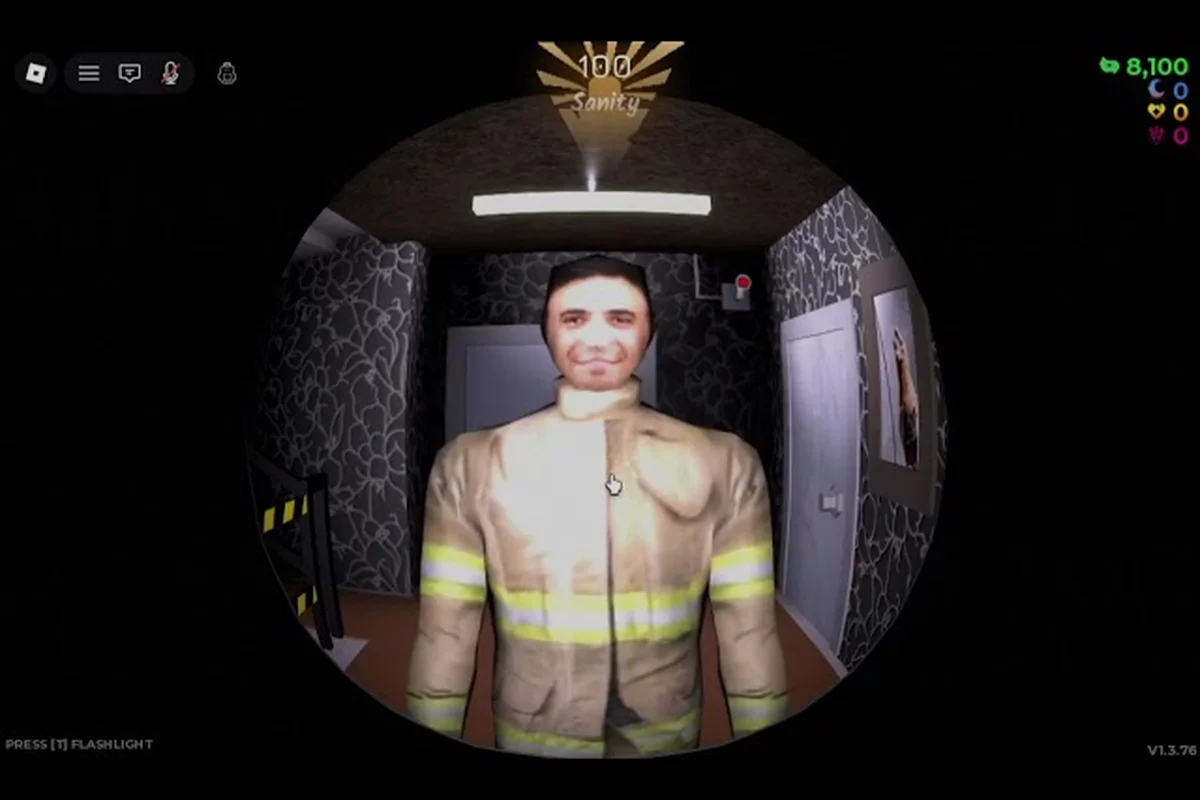
The game uses a claim verification system where each visitor's dialogue matches or contradicts their visual behavior. A visitor who claims to be hotel staff should approach from the staff corridor, not the guest elevator. A visitor claiming an emergency should show visible urgency in their movement patterns.
Common Visitor Types and Tells
| Visitor Type | Legitimate Behavior | Anomaly Red Flags |
|---|---|---|
| Hotel Staff | Uniform visible, badge check | Wrong uniform color, no badge |
| Lost Guest | Hesitant, checking room numbers | Overly confident, direct path |
| Emergency Contact | Urgent knocking, phone visible | Calm demeanor, no phone |
| Maintenance Worker | Tool bag, work order | Empty hands, vague explanation |
| Fellow Guest | Neighborly tone, specific details | Generic story, avoids camera |
Voice analysis is your most underrated tool. Several anomalies have voice tells that are impossible to catch visually — a slight echo, an unnatural pause pattern, or a pitch that doesn't match the speaker's appearance. Players report that the duplicate guest anomaly is almost always caught by voice because the mimic copies the original's words but with subtly different timing.
The Verification Decision Tree
When a visitor knocks, run this decision tree in your head: first, check the peephole for a familiar face or a suspicious silhouette. If it’s a known player, open quickly to avoid suspicion, but if they linger too long, they might be scouting for a rusher. For strangers, keep the door barred and listen for footsteps retreating—hesitation often signals a trap.
-
Does the camera show someone at the door? If no — deny entry, it's a phantom knock
-
Does their story match their behavior? If no — deny entry, it's a mimic
-
Does their voice match their appearance? If no — deny entry, it's a voice anomaly
-
Does their approach path make sense? If no — deny entry, it's a relocated entity
-
If everything checks out — open the door, but stay alert
The verification process becomes second nature after a few nights, but the game introduces compound anomalies that pass individual checks while failing the overall pattern. That's why you need the full routine, not just one or two checks. Veterans often skip the door sensor on quiet nights, only to get caught by a delayed flicker that a single glance would have missed—so always finish every step, even when the hallway looks clear.
Sanity Management and Recovery
Your sanity meter is the hidden survival mechanic that most new players ignore until it's too late. Every wrong decision, every denied legitimate visitor, and every anomaly that gets too close drains your sanity. When it hits zero, the game ends — regardless of how well you've been playing.
The sanity system rewards decisive action. Hesitating at the door, checking the same camera repeatedly, or waffling between decisions all drain sanity faster than making a wrong call and moving on. The game wants you to commit to your judgment rather than second-guessing yourself.
Every Sanity Drain Source Ranked
| Action | Sanity Impact | Avoidance Strategy |
|---|---|---|
| Denying legitimate visitors | Moderate drain | Verify carefully before denying |
| Opening for anomalies | Severe drain | Trust your camera checks |
| Ignoring knocks entirely | Slow drain | Always investigate, even if you deny |
| Repeated camera rechecks | Small drain | Trust your first scan |
| Anomaly close encounters | Critical drain | Create distance immediately |
Sanity recovery happens passively as the night progresses, but certain actions speed it up. Turning away suspicious visitors early protects your sanity because the drain from a close encounter is much worse than the drain from a denial. According to community data, declining a visitor you're unsure about costs about half the sanity of opening the door to an anomaly.
The sanity management strategy that works best is simple: when in doubt, deny. The penalty for denying a legitimate visitor is recoverable, but the penalty for opening to an anomaly can spiral into a failed run. Players who adopt this conservative approach consistently survive longer, even if they miss some legitimate visitors.
For a deeper breakdown of how the meter works and recovery strategies, check out our Keep the Door Locked sanity system guide which covers drain rates and recovery techniques in detail. This guide is especially useful when you're hiding in the closet, as the meter drains faster there than in open rooms, and it explains how to time your flashlight use to avoid a full breakdown right before a door check.
Advanced Late-Night Survival Tricks
The late-night phase (roughly 3 AM to sunrise) introduces visitors that combine multiple anomaly tells and move faster, forcing you to abandon the slower, single-cue checks that worked earlier. This is where the Keep the Door Locked tricks that work early become insufficient — you need advanced techniques, like tracking sound patterns and varying your peephole timing, since these visitors often fake a normal knock to bait a premature open.
Pattern Recognition Under Pressure
Late-night visitors often repeat patterns from earlier in the night, but with modifications. The returning guest anomaly is the classic example: a visitor who was legitimate at 1 AM comes back at 4 AM with the same story but subtle differences in behavior. Players who remember their earlier interactions catch this immediately.
Memory management becomes a survival skill. Keep mental notes on which doors you've already checked and which rooms hold the most valuable loot, since returning to a cleared area wastes precious time while the monster's footsteps grow louder. Players who track their own pathing often outlast those who wander, turning spatial recall into a quiet edge against the dark.
-
Who you've already seen and whether they were legitimate
-
Which rooms have been claimed by other visitors
-
What time each visitor arrived relative to the night's progression
-
Which anomalies you've already encountered and their tells
The pattern recognition required at this stage is why experienced players recommend watching full walkthroughs before attempting late-night survival. JunyyGaming's gameplay video shows several late-night encounters that demonstrate these compound tells in action. This is especially crucial because the door’s creak timing and shadow flickers often overlap, forcing you to prioritize which cue to trust first. Many veterans note that rewatching such footage helps you internalize the split-second decision-making needed to avoid a fatal unlock.
Speed vs. Accuracy Tradeoffs
Late-night visitors test your ability to balance speed and accuracy. The knock-to-answer window shrinks, and visitors become more aggressive if you take too long. But rushing your verification process leads to mistakes, like misreading a fake ID or missing a subtle voice cue. Experienced players often prioritize checking the door camera first, since a single misclick during the final seconds can trigger a jump scare and end the run instantly.
The optimal late-night strategy is to front-load your checks: complete the camera scan and voice analysis in the first few seconds, then commit to your decision. Don't recheck — the extra seconds cost more than the information they provide. In late rounds, the door's sanity drain accelerates, so every wasted moment risks a forced lockout. Veterans often time their initial sweep to the heartbeat cue, trusting that first read over a hesitant second glance.
Players who survive to sunrise consistently report that trusting your first instinct after completing the full routine is the difference between success and failure. The game's late-night anomalies are designed to exploit indecision, so decisive action is your best defense.
What to Do When You Make a Mistake
Even experienced players open the door for an anomaly sometimes. The recovery strategy after a mistake is what separates successful runs from failed ones. A quick retreat to a hiding spot or a well-timed door re-lock can buy precious seconds, but panicking often triggers a second anomaly. Knowing when to hold position versus sprint for the exit is the key difference between surviving a slip-up and ending the run entirely.
When you realize you've let in an anomaly, the door's lock clicks shut behind you, and the safe hum of the hallway turns into a wrong, stretched silence. Your only move is to keep moving—checking every shadow, listening for the off-beat footsteps that don't match your own, and praying the next room's light stays steady.
-
Create distance immediately — back away from the door
-
Watch the visitor's behavior — don't turn your back
-
Use your environment — some rooms have hiding spots
-
Accept the sanity hit — don't compound it by panicking
-
Return to your routine — the next knock needs your full attention
The mistake recovery process is about damage control, not perfection. One anomaly encounter doesn't end the run — it costs sanity and possibly door integrity, but you can recover if you stay calm and refocus. Prioritize patching the door over scavenging for supplies, as a single unsealed breach invites a second, faster anomaly wave. Players often find that retreating to a corner and listening for footsteps buys the few seconds needed to stabilize your resources.
According to player reports, the biggest mistake after an anomaly encounter is abandoning your routine. Players who panic and start improvising make worse decisions on subsequent knocks, leading to a cascade of failures. The best recovery is to acknowledge the mistake, take the sanity hit, and return to your pre-knock routine immediately.
For a comprehensive collection of advanced strategies, the Keep the Door Locked best strategy guide covers late-night optimization and risk assessment in more detail. This includes prioritizing door repairs over flashlight usage when the entity is near, as well as timing your crouch-walk between checkpoints to minimize noise. Players often cite this guide when planning their final hour, since resource management becomes critical once the lights flicker.
Frequently Asked Questions
What is the most important Keep the Door Locked survival tip?
The most critical Keep the Door Locked survival tip is to always complete your pre-knock routine before answering. Scan all cameras, check night vision, listen for audio cues, and verify the visitor's claim against their behavior. Players who follow this routine consistently survive significantly longer than those who improvise.
How do I recover sanity quickly in Keep the Door Locked?
Sanity recovery happens passively over time, but you can speed it up by turning away suspicious visitors early and avoiding close encounters with anomalies. The key is to be decisive — hesitating drains more sanity than making a wrong call. According to community data, denying an uncertain visitor costs about half the sanity of opening to an anomaly.
Can I survive the entire night without opening the door?
Technically yes, but ignoring all knocks causes slow sanity drain that eventually ends the run. The game requires you to engage with visitors — some legitimate visitors provide sanity recovery or other benefits. The best strategy is to verify every claim and open only for confirmed legitimate visitors.
What are the most common anomalies in Keep the Door Locked?
The most reported anomalies include the phantom knock (knock with no one visible), the duplicate guest (same person appearing twice), the shadow mimic (visible only in night vision), and the voice anomaly (voice doesn't match appearance). Each requires different detection methods, which is why the full verification routine is essential.
Is Keep the Door Locked survival tips reddit worth checking?
Yes, the Keep the Door Locked survival tips reddit is worth checking. The community actively documents new anomaly behaviors and strategies that official guides may miss. Since the game updates regularly, threads often contain the most current information on tells and mechanics, helping you refine your verification routine.