You're alone in a hotel room after midnight, and every knock could be your last. This Keep the Door Locked gameplay guide breaks down the core mechanics, camera protocols, and visitor verification rules you need to survive your first shift. Get the complete walkthrough foundation before you touch that door handle.
The Core Loop: Mastering Nightly Decisions
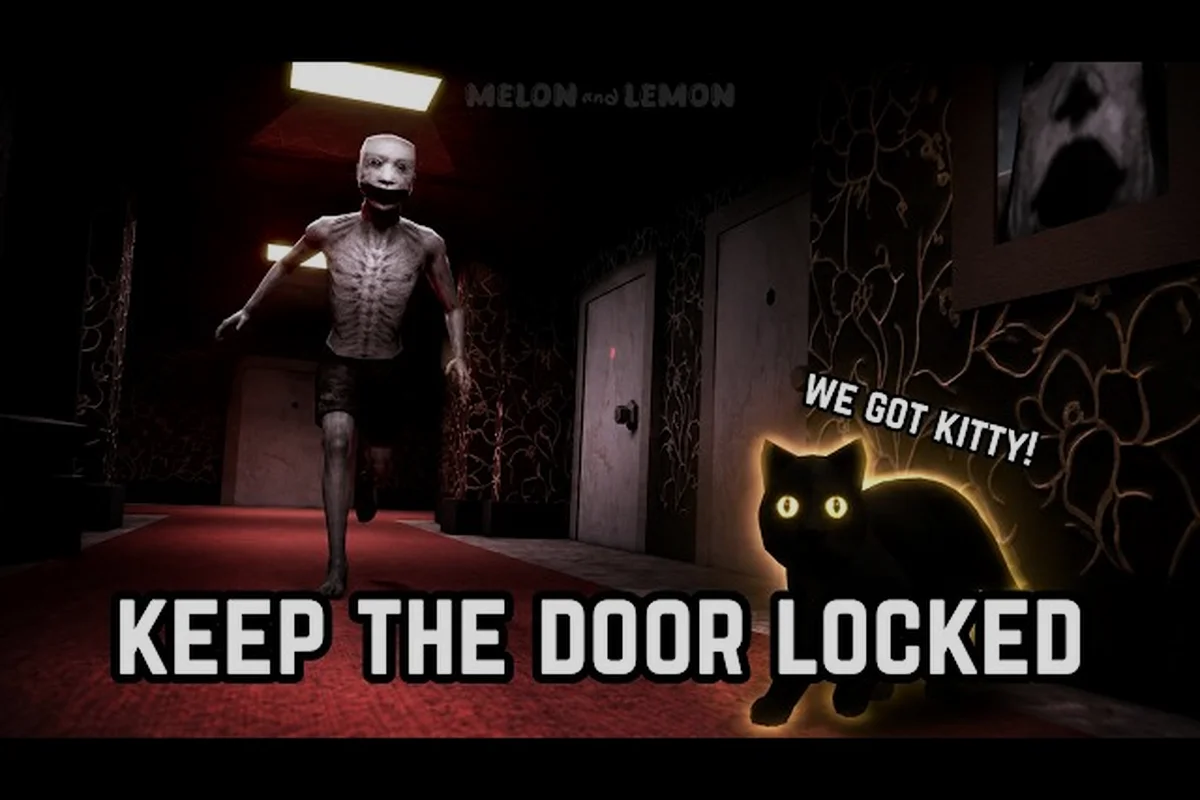
The game drops you into a dimly lit hotel room with three essential tools: a camera monitor, a door lock toggle, and your own judgment. According to the official Keep the Door Locked page on Roblox, the game launched May 28, 2026, and has already accumulated over 4.3 million visits with more than 10,000 players online at peak times. The developer, Hotel Room Services (KivC), designed this as a psychological horror experience where strangers knock and some of them are not human.
The core loop is deceptively simple: a knock happens, you check the camera, you verify the visitor's story, and you decide whether to unlock. However, the tension comes from the fact that anomalies can mimic human behavior perfectly while slipping up in subtle ways. Your job is to catch those inconsistencies before they catch you.
Here's what your first shift looks like in practice: you’ll start by checking the front door and the side windows, then settle into the office to monitor the cameras. Keep an eye on the motion tracker, and remember that the door lock is your only real defense—don’t waste time wandering, as players often note that staying put and listening for footsteps is the safest early strategy.
-
First knock arrives early — usually within the first few minutes of the night shift
-
Camera feed shows the hallway — you cycle through angles to see who's waiting
-
Visitor speaks through the intercom — they state their name and reason for being there
-
You cross-reference their story — check the room layout, time of night, and visual details
-
You decide: unlock or stay silent — one wrong choice ends the run
The game's difficulty curve is steep because the rulebook doesn't spell everything out. Community testing suggests that safe visitors follow logical stories that match the room, while anomalies contradict themselves in small ways. The key is learning to spot those contradictions under pressure.
Station Setup: Controls and Camera Fundamentals
Before the first knock, you need to understand your tools. The camera monitor is your primary defense because it lets you see the hallway without opening the door. The lock toggle sits on the door itself, and flipping it at the wrong moment can be fatal.
Camera Cycling and Night Vision
Your monitor cycles through multiple camera feeds, each covering a different section of the hallway. The night vision toggle becomes essential when the lights dim or when visitors stand in shadow. According to the full walkthrough video by TheKacperosEN, experienced players develop a rhythm: check the main hallway camera, then the side corridor, then return to the main feed before answering any knock.
Here's a breakdown of the camera controls and their functions: Left-click toggles your view, right-click to inspect, and the scroll wheel adjusts zoom, which is critical for spotting the entity’s subtle movements down the hall. Players often rebind these keys to keep their hand free for the door button, as a quick zoom-out can mean the difference between a safe peek and a sudden jumpscare.
| Control | Function | When to Use |
|---|---|---|
| Monitor toggle | Opens the camera interface | Every time you hear a knock |
| Camera cycle | Switches between hallway feeds | To track visitor movement |
| Night vision | Enhances dark areas | When the hallway lights flicker |
| Lock toggle | Opens or secures the door | Only after verifying the visitor |
| Intercom | Talk to the visitor | To hear their story and voice |
The camera system rewards patience because anomalies often reveal themselves through visual glitches. A visitor might flicker in and out of existence, cast the wrong shadow, or stand at an impossible angle. These tells are subtle, but they're consistent across runs according to player reports.
The Door Lock Discipline
Your lock toggle is a binary decision: locked or unlocked. Once you unlock, you commit to that choice. The game doesn't give you a "peek" option, so every verification must happen through the camera and intercom before you touch the lock.
Community data suggests that most early deaths come from rushing the lock decision. Players hear a knock, see a humanoid figure, and assume it's safe. The reality is that anomalies deliberately mimic normal behavior to bait you into unlocking. The safest approach is to treat every visitor as hostile until proven otherwise.
Keep the Door Locked Walkthrough: Reading Visitors and Spotting Anomalies
The heart of this Keep the Door Locked walkthrough is learning to read visitors. Each person who knocks has a story, and your job is to determine whether that story holds up. Safe visitors follow logical patterns that match the hotel's rules; anomalies contradict themselves in ways that are detectable if you know what to look for.
Visitor Verification Framework
The visitor verification process follows a consistent pattern that you can apply to every knock. Start with the visual check, move to the audio check, and finish with the logic check. Missing any of these steps leaves you vulnerable, especially during late-game rushes when multiple knocks overlap. Sticking to this order prevents panic-driven mistakes, and experienced players often rehearse it between waves to stay sharp.
Here's the framework that experienced players use: prioritize the main door first, then rotate to the windows, and always keep a flashlight ready for the dark hallway sweeps. This order minimizes blind spots during the early waves, when the creature’s audio cues are easiest to misread. Veterans also recommend saving batteries for the final stretch, since the door’s creak timing shifts unpredictably.
| Check Type | What to Look For | Red Flag |
|---|---|---|
| Visual | Body shape, clothing, stance | Flickering, wrong shadow, extra limbs |
| Audio | Voice tone, speech pattern | Robotic voice, repeating phrases |
| Logic | Story matches room and time | Claiming to be staff at 3 AM |
| Behavior | Movement while waiting | Pacing, looking at camera, unnatural stillness |
The visual check is your first line of defense because it's the fastest to perform. Anomalies often struggle to maintain a consistent appearance, so watching the camera feed for a few extra seconds can reveal distortions. The audio check matters just as much, since some anomalies have tells in their voice that are impossible to fake perfectly.
Visitor Archetypes and Their Behavior Patterns
While the full roster is extensive, certain visitor types appear frequently enough that you should learn their patterns. The police officer claims to be responding to a noise complaint; the hotel staff says they're checking the room; the lost guest claims they forgot their room number. Each of these has a safe version and an anomaly version.
Reported by players, the safe versions tend to have specific dialogue patterns that match their role, while anomalies make subtle errors. A fake police officer might use the wrong department name, or a fake staff member might not know the hotel's layout. These details are easy to miss when you're panicking, which is why the camera check matters so much.
For a deeper dive into specific visitor behaviors, check our Keep the Door Locked anomaly walkthrough that covers the creature patterns in detail. This guide breaks down each anomaly’s telltale audio cues and movement quirks, helping you identify threats before they reach the door. Veterans often use it to refine their timing on flashlight checks and door-holding strategies, making it a must-read for surviving later nights.
Night Progression: Hour-by-Hour Survival Strategy
The night doesn't stay the same difficulty from start to finish. According to community testing, anomaly frequency increases as the night progresses, which means your early hours are safer but also the time to build your routine. The first hour typically features fewer knocks and simpler verification; the later hours throw multiple visitors and more convincing anomalies at you.
Hourly Breakdown and Threat Levels
Understanding the night's pacing helps you allocate your attention. Here's what players report about the typical night structure: the first few minutes are quiet, luring you into a false sense of security, but the frequency of door knocks and window rattles ramps up sharply after the midpoint. Experienced players recommend staying near the door during the early phase to conserve stamina, then switching to a defensive position once the audio cues intensify.
| Time Period | Knock Frequency | Anomaly Likelihood | Recommended Focus |
|---|---|---|---|
| 12 AM - 1 AM | Low (1-2 knocks) | Low | Learn the camera angles |
| 1 AM - 2 AM | Moderate (2-3 knocks) | Moderate | Practice verification routine |
| 2 AM - 3 AM | High (3-4 knocks) | High | Stay alert, double-check everything |
| 3 AM - 4 AM | Very High (4+ knocks) | Very High | Trust your routine, don't panic |
| 4 AM - 5 AM | Moderate (2-3 knocks) | High | Watch for fatigue-based mistakes |
The early hours are your practice window. Use them to memorize the camera positions and get comfortable with the intercom system. By the time the 2 AM to 3 AM window hits, you should be running your verification routine automatically without having to think about each step.
Managing Sanity and Focus
The game includes a sanity mechanic that degrades when you make mistakes or witness disturbing events. Low sanity affects your perception, making it harder to spot anomalies. According to the gameplay guide video by VendoPlus, maintaining sanity is about avoiding unnecessary risks rather than maximizing information.
Here are the key sanity management principles: keeping your character’s sanity above critical thresholds is vital, as low sanity triggers hallucinations and increases monster aggression. Players should prioritize using the flashlight sparingly and staying near lit rooms, since darkness drains sanity faster. A common community tip is to rotate between safe zones to avoid rapid depletion during long lock-downs.
-
Don't stare at the camera feed too long — prolonged viewing has diminishing returns
-
Verify efficiently — one thorough check beats three rushed checks
-
Trust your first instinct — hesitation often leads to second-guessing
-
Take breaks between knocks — use the quiet moments to reset your focus
The sanity system punishes indecision because every second you spend waffling is a second your character's mental state degrades. Players who develop a consistent routine report surviving longer because they make decisions faster and with more confidence. In practice, this means memorizing door-check patterns and sticking to them, even when footsteps approach, since hesitation in a hiding spot can trigger a faster drain than moving deliberately.
Advanced Strategies for the Keep the Door Locked Gameplay Guide
Once you've mastered the basics, you can start optimizing your approach. The advanced strategies in this Keep the Door Locked gameplay guide focus on efficiency and pattern recognition. These techniques won't make the game easy, but they'll give you an edge when the night gets brutal.
Building a Reliable Pre-Knock Routine
The best players don't wait for a knock to start working. They maintain constant situational awareness by checking the cameras periodically even when the hallway is quiet. This pre-knock routine means you're never caught off guard, as it lets you spot the entity's early movement patterns before audio cues trigger. Veterans often pair this with a quick door-status scan, ensuring every exit is prepped the moment a threat appears.
Here's the routine that advanced players recommend: first, lock the main door and barricade the windows before the entity spawns, then rotate between checking the hallway camera and the basement hatch. Experienced survivors time their repairs to the entity's cooldown cycle, saving the flashlight battery for the final escape sequence. This method minimizes risk while maximizing survival odds.
-
Check all camera feeds every 30 seconds — even when nothing is happening
-
Note the baseline state — know what the empty hallway looks like
-
Listen for audio cues — footsteps and breathing often precede a knock
-
Position your cursor near the lock toggle — reduce reaction time
The pre-knock routine reduces panic because you're already in a state of readiness. When the knock comes, you're not scrambling to figure out what's happening; you're already processing information. This calm allows you to immediately check the door timer and position yourself near a hiding spot, a tactic veteran players use to avoid the fatal hesitation that often follows a sudden knock.
Managing Multiple Visitors in One Night
Later nights can throw multiple visitors at once, sometimes with overlapping stories. This is where the game gets genuinely difficult because you have to track multiple threads simultaneously. The key is prioritization: deal with the most urgent claim first, but don't forget the others.
Players report that anomalies sometimes coordinate to create confusion. One visitor might create a distraction while another tries to slip through. The camera system is your only defense against this, so keep cycling through feeds even while talking to a visitor on the intercom.
For beginners who want more foundational advice, our Keep the Door Locked tips for beginners covers the essential survival habits in more depth. This includes prioritizing door repairs over item scavenging, as a single broken lock can doom a run early. Many players also note that staying quiet near windows is just as critical as barricading, since the entity reacts to sound cues.
Run-Ending Mistakes Every New Player Makes
Every player dies in this game eventually, but most deaths come from a handful of predictable mistakes. Learning to recognize these common failure patterns will dramatically improve your survival rate. For instance, opening the door too early during a heartbeat spike or lingering in the hallway when the lights flicker are classic triggers. Veterans often note that patience near the keypad, rather than rushing, prevents the majority of early-game losses.
The Verification Shortcut Trap
The most common mistake is skipping the full verification process. Players get confident after a few safe visitors and start making assumptions. They see a humanoid figure, hear a plausible story, and unlock without checking the details. This is exactly what the anomalies want.
Here's what the community reports as the most frequent fatal errors: rushing to unlock the door without checking the hallway camera first, hoarding keys instead of using them immediately, and ignoring the battery warning on the flashlight. Players often die because they panic during the monster’s approach, forgetting that crouching behind the wardrobe buys precious seconds. Consistent with forum threads, most deaths stem from predictable, avoidable mistakes rather than random chance.
-
Unlocking based on voice alone — some anomalies have perfect voices
-
Ignoring visual glitches — that flicker you saw was real
-
Rushing when multiple visitors knock — panic leads to shortcuts
-
Trusting familiar dialogue — anomalies learn from watching you
The verification shortcut trap is especially deadly because it feels natural. You've seen this visitor type before, so you assume it's safe. But the game deliberately reuses patterns with subtle differences, and those differences are the tells. For example, a real verification visitor will pause briefly at the door, while the trap version glides through without hesitation—a split-second cue most players miss until it's too late.
The Overconfidence Cascade
The second major mistake is overconfidence after early success. Players who survive the first few hours start feeling invincible, and that's when they get sloppy. The game punishes complacency ruthlessly, as a single unlocked door or missed audio cue can trigger an instant chase sequence. Veteran players often note that the most dangerous runs end not from lack of skill, but from ignoring the door's creak patterns after a quiet stretch.
The overconfidence cascade typically looks like this: you survive a few knocks, start unlocking faster, miss a tell, and suddenly the run is over. The fix is to maintain the same level of scrutiny throughout the night, no matter how many safe visitors you've already processed.
If you're looking for a complete walkthrough that covers the entire game structure, our Keep the Door Locked full walkthrough provides the comprehensive breakdown. This guide details every key objective, from initial door repairs to the final escape sequence, and highlights optimal resource management for each night. Players often reference it to avoid wasting batteries on non-essential rooms, a common mistake that leads to early lockdowns.
Frequently Asked Questions
What is the best strategy for the first knock in Keep the Door Locked?
The first knock is usually a safe visitor, but you should still run your full verification routine. Check the camera feed for at least five seconds, listen to the visitor's story, and confirm their claim matches the time and location. This establishes good habits for the harder knocks later.
How do I spot anomalies in Keep the Door Locked?
Anomalies typically reveal themselves through visual glitches, audio inconsistencies, or logical contradictions in their stories. Watch for flickering, wrong shadows, robotic speech patterns, and claims that don't match the hotel's rules. The camera system is your best tool for catching these tells.
Can I survive the whole night in Keep the Door Locked?
Yes, but it requires consistent discipline throughout all five hours. The later hours feature more frequent knocks and more convincing anomalies, so you need to maintain your verification routine even when you're tired. Players who survive report that the final hour is the most intense.
What happens if I unlock the door for an anomaly?
Unlocking for an anomaly typically results in an instant death or a chase sequence that ends the run. There's no way to fight back, so the only defense is prevention. This is why the verification process before every unlock is so critical to survival.
Is Keep the Door Locked harder than other Roblox horror games?
Community reports place Keep the Door Locked on the harder end of Roblox horror games. It relies on subtle tells and pattern recognition over five hours, making it more mentally taxing than jump-scare-focused titles. Sustained attention is key, so prepare for a demanding experience.